
Key Takeaways
Establishing a reliable health monitoring plan requires both the right tools and a consistent daily approach to data management. By focusing on trends rather than isolated numbers, you gain actionable insights into your physiological well-being.
Define your personal baseline by recording vitals during resting states.
Select technologies that automate data collection to minimize human error.
Maintain environment consistency by measuring at the same time each day.
Pair quantitative data with qualitative symptom logging for a full picture.
Share long-term trend reports with your doctor to guide care decisions.
Understanding your baseline health metrics
Identifying key vital signs to monitor
Monitoring your body requires focus on core measurements that indicate overall function. Keeping track of metrics like heart rate, blood pressure, and body weight provides a objective foundation for assessing physical changes over time. When you use ExaHealth to track health vitals, you can connect these basic readings with more complex indicators, helping you move beyond simple textbook averages.
Differentiating between resting and active states
Your body behaves differently depending on whether you are at rest or under physical exertion. To build an accurate baseline, measure your vital signs first thing in the morning before starting your day. This prevents the influence of daily stress or exercise from masking your true physical condition.
The importance of consistency in data collection
Irregular measurements rarely yield useful health patterns, as isolated data points lack context. Consistency is the most crucial element of tracking to identify meaningful shifts in your health. By logging data at the same time and in the same state every day, you establish a reliable thread of information that makes long-term analysis possible.
Choosing the right health tracking technology
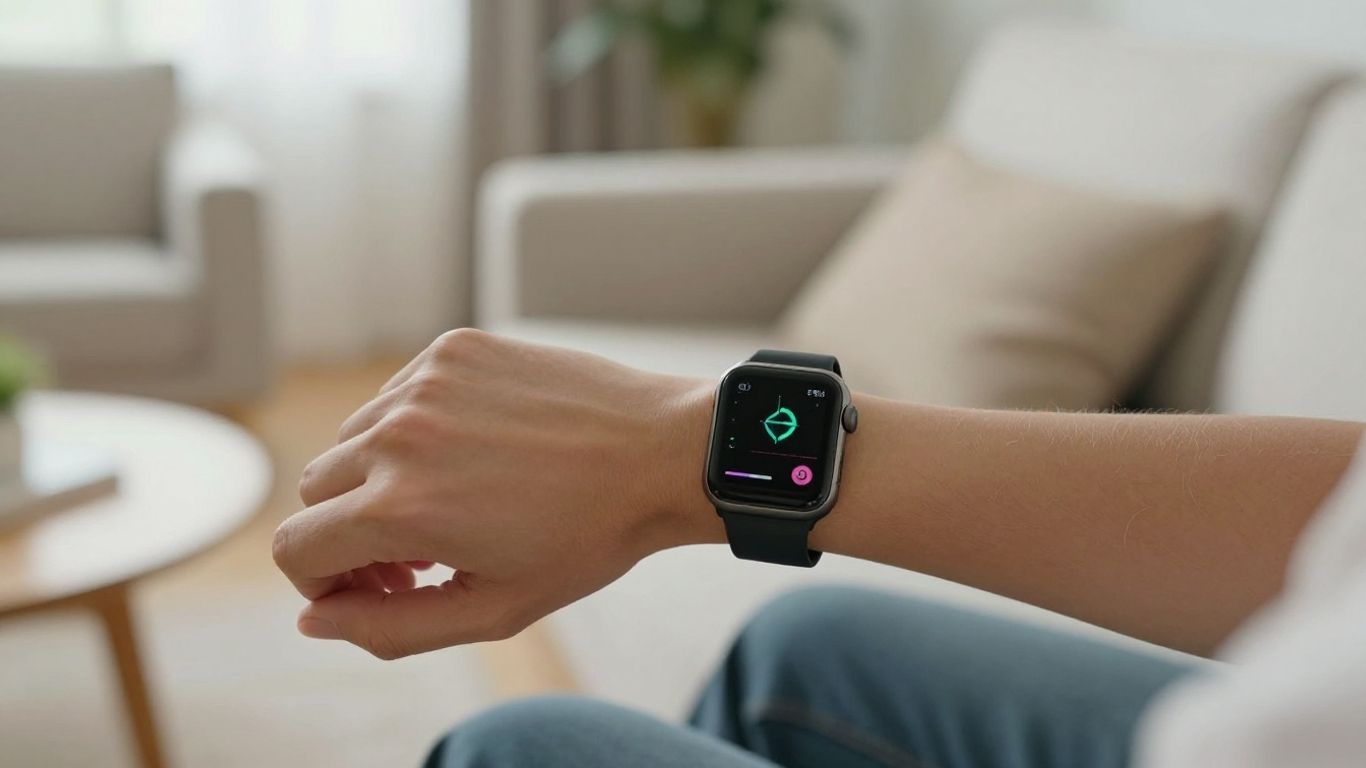
Wearable biosensors and smartwatches
Wearable technology allows for continuous monitoring of physical status without manual effort. Devices like smartwatches provide a steady stream of data covering heart rate and activity levels, which can be invaluable for identifying sudden physiological changes throughout your sleep or work cycles.
Smartphone-integrated health apps
Modern smartphones often serve as the central hub for your health information, consolidating data from various sensors. Many digital health platforms offer a streamlined way to manage your wellness journey by providing personalized activity tracking and medication reminders in one location.
Manual logging tools versus automated devices
While automated sensors are excellent for convenience, specialized health logging tools allow you to record specific details that devices might miss. Choosing between these depends on whether your priority is convenience or detailed, manual clinical documentation for your personal records.
Evaluating accuracy and clinically validated hardware
It is vital to prioritize hardware that has been validated for health accuracy. Using equipment that aligns with standard medical protocols ensures that the data you collect is actually useful when reviewing your Health Score or preparing for your next physician consultation.
Best practices for accurate data collection
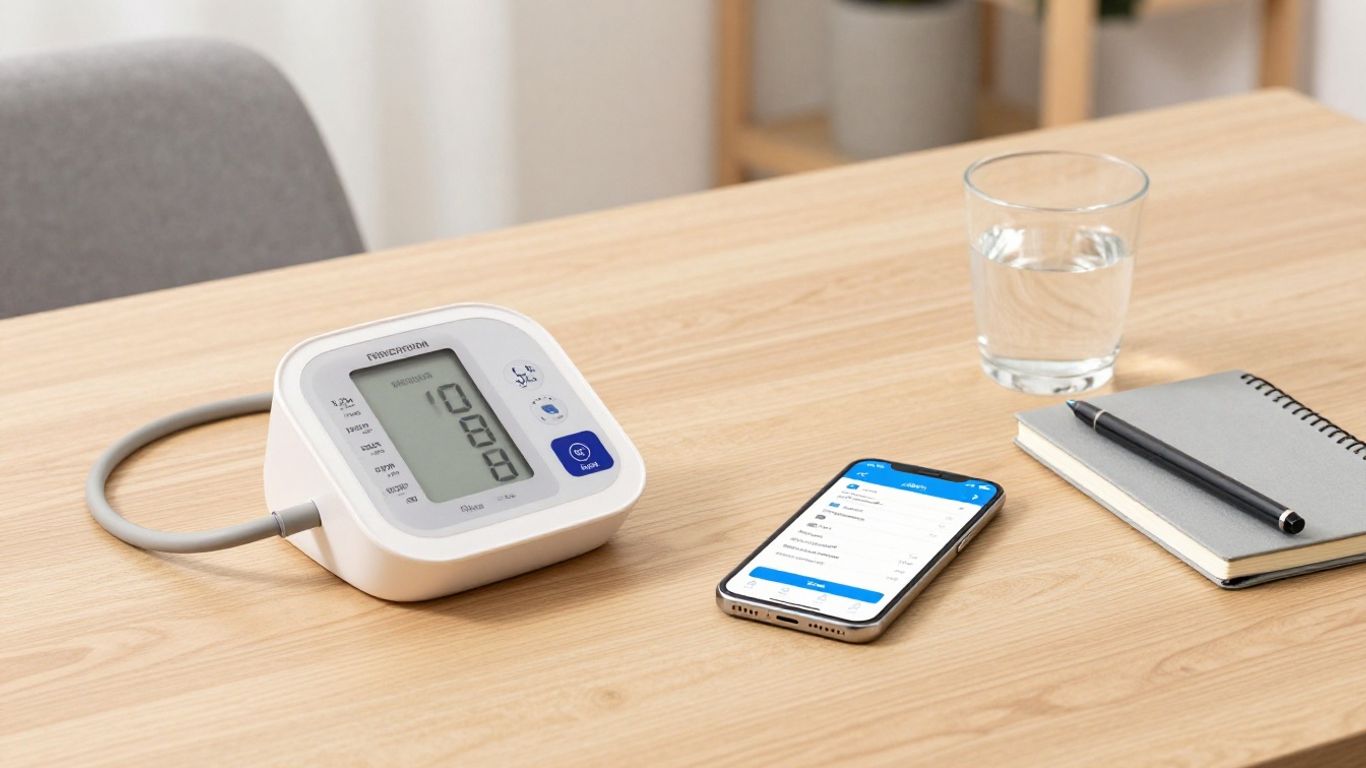
Timing your measurements for consistency
Establishing a set routine for your measurements is essential for data integrity. Even small deviations in timing can impact the readings for blood pressure or resting heart rate, making comparisons between different days difficult.
Minimizing environmental interference
Quiet environments away from sudden distractions ensure that your measurements remain focused on your physical state rather than external noise. A calm setting helps keep your heart rate natural and your blood pressure readings stable during the assessment period.
Measurement | Optimal Timing | Key Accuracy Factor |
|---|---|---|
Blood Pressure | Morning/Evening | Seated, legs uncrossed |
Resting Heart Rate | Upon waking | Stillness and calm |
Body weight | After bathroom, pre-meal | Consistent clothing density |
Proper device calibration and sensor placement
Follow manufacturer guidelines for sensor placement every time you initiate a recording. If your device is incorrectly positioned, it may misread your physiological signals, leading to unnecessary concern or inaccurate trends that do not reflect your health status.
Integrating vital signs into your wellness routine
Syncing health data with digital ecosystems
Your health data becomes much more powerful when it is synced across different platforms. Various digital health diary apps simplify the process of aggregating metrics to ensure everything is stored centrally for easy review.
Documenting qualitative symptoms alongside quantitative vitals
Quantitative numbers tell only half the story; qualitative notes on how you feel are equally important. Whether you are tracking stress and energy levels or general wellness, recording your own observations clarifies why certain numbers might seem out of place during busy weeks.
Establishing a sustainable daily tracking habit
True health management is a process of small, repeated actions that build over time. Establishing a routine that feels natural, rather than burdensome, is the single most effective way to ensure you continue to track vital signs for years to come.
By keeping your habit sustainable, you turn data collection into a natural part of your morning or evening flow, rather than an errand you might forget.
Interpreting trends and knowing when to see a doctor
Recognizing patterns in long-term health data
Reviewing data over a month or a full year provides deeper insight than weekly checks. By aggregating long-term markers, you can spot subtle shifts in your health that might precede physical symptoms, providing an early opportunity to improve your habits.
Setting personalized thresholds and alert triggers
Once you have a solid baseline, set triggers to notify you when your vitals deviate from your historical norm. This proactive approach helps you stay informed and avoids the cycle of worrying over individual high or low readings that fall within your unique variation.
How to share tracking reports with your physician
Sharing reliable history helps your doctor make informed decisions about your care. Using the family health vault to organize and generate professional reports simplifies communication, ensuring your doctor sees the entire scope of your health progress rather than a scattered view.
Understanding the limitations of consumer-grade tracking
It is important to remember that most trackers are designed for general wellness rather than clinical diagnostics. The insights you gather are meant to prompt discussions about your health, not to take the place of professional exams and lab studies.
Use consumer tracking to monitor trends that prompt healthy conversations.
Review your reports to identify clear patterns of physical improvement.
Discuss any persistent anomalies with your physician during visits.
Remember that devices offer estimates that supplement clinical understanding.
Conclusion
Tracking your health consistently is not about achieving perfect numbers, but about gaining a clearer understanding of how your lifestyle choices influence your long-term wellness. By following these practices, you can create a reliable system that bridges the gap between daily measurements and proactive medical care, ensuring your health is finally understood.
Frequently Asked Questions
Why should I track my vitals at home?
Tracking at home provides a comprehensive view of your health that clinical visits cannot offer, as it captures your status in your natural environment during different times of the day.
How often should I check my blood pressure?
For most adults, checking blood pressure twice a day, once in the morning and once in the evening, is considered sufficient to identify daily trends and baseline behavior.
Can wearable devices diagnose medical conditions?
Wearable devices provide health trends and estimates meant to monitor well-being, but they cannot replace a doctor or provide a medical diagnosis for any condition.
What do I do if my vitals look unusual?
Do not panic if you see a single unusual reading, as environmental factors often cause fluctuations; instead, continue to track your trends and consult your doctor if the deviation persists.
Does resting heart rate change with age?
Your resting heart rate typically follows established age-related ranges, but it can also be influenced by factors such as your overall fitness level, sleep quality, and daily stress.
What is the purpose of logging qualitative symptoms?
Qualitative logs help explain your quantitative data, providing context such as whether a high heart rate was triggered by a stressful day or exercise rather than a health issue.
When is the best time to share tracking data with a doctor?
Share your data during scheduled wellness visits or when you notice a sustained shift in your vital signs that does not resolve after several days.